
BEYOND
RECYCLING
Unlocking High-quality rPET for a Circular Future
What's putting rPET quality at risk?
The progress made in PET recycling over the past decade has been significant. Enhanced sorting, washing, and decontamination have substantially raised the baseline quality of food-grade recycled PET (rPET). However, a fundamental challenge remains embedded within the material itself.
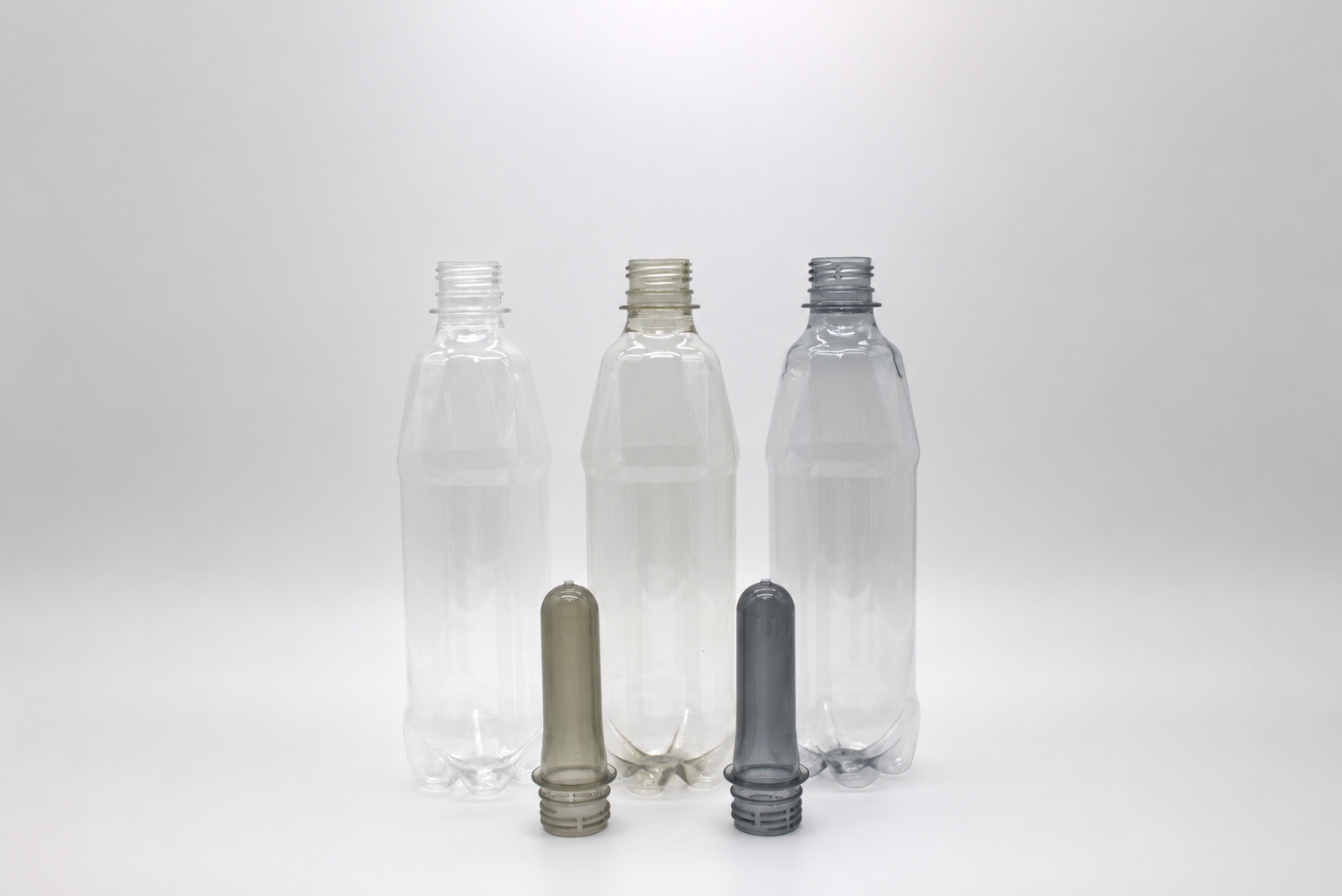
Every time PET is thermally processed, the polymer chains are exposed to thermo-oxidative stress. This degradation is cumulative. With each recycling cycle, more degradation takes place, more colored side products are formed, haze increases and overall appearance declines.
This whitepaper looks at the mechanics of thermo-oxidative degradation in PET and explores how stabilization technology can intervene during processing, before color shift and molecular breakdown occur.
Table of content
02 Navigating the Recycling Process
03 Introduction to Stabilization
04 Toners vs Stabilizers in rPET
05 Stabilization in Practice: Introducing CircStab®
06 Securing the Future of PET Circularity
Download the full whitepaper in PDF format.
Tip: you can always download this guide in handy, interactive PDF format.
Take the next step: see stabilization in practice
The whitepaper explores the science behind PET degradation and stabilization. Now see how CircStab® puts this preventative approach into practice to support color and viscosity performance through multiple recycling cycles.