.png?width=1200&height=700&name=Featured%20image%20size%20(28).png)
7 Factors That Can Affect PET Sorting
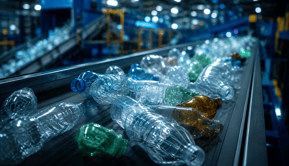
Before PET packaging can be recycled, it must first be correctly identified and sorted. Recycling facilities use technologies such as near-infrared (NIR) scanners to separate packaging into high-purity material streams. However, colors, labels, closures, material combinations and packaging formats can all influence whether a package is recognized and directed into the right recycling stream.
Here are seven packaging design factors that can affect sorting efficiency and PET stream purity.
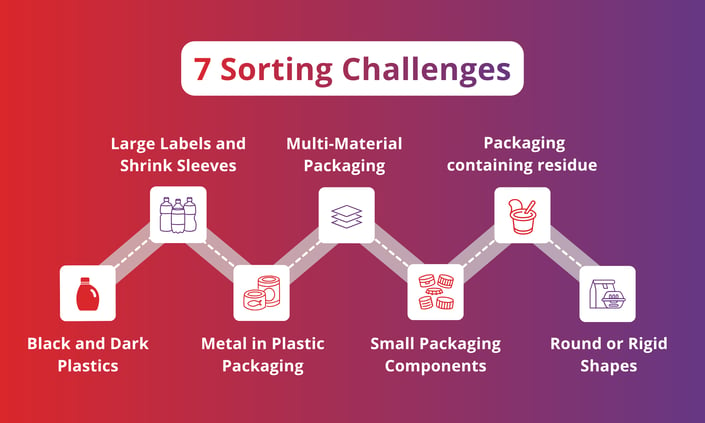
1. Black and dark plastics
Many black plastics contain carbon-black pigments, which absorb the infrared light used by conventional NIR scanners. This can prevent the packaging from being correctly identified and sorted, even when the base polymer itself is recyclable. At Holland Colours, functional colorants such as Sort® are designed with this principle in mind, helping dark-colored PET packaging remain compatible with modern sorting technologies without interfering with NIR detection.
2. Large labels and shrink sleeves
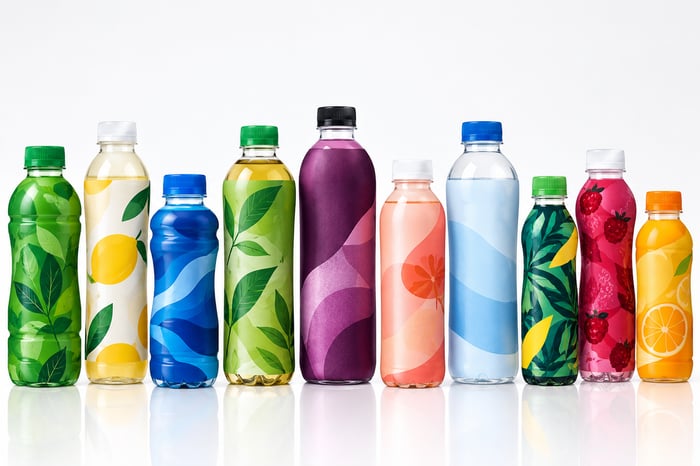
Oversized labels and full-body sleeves can cover the underlying PET and prevent NIR scanners from identifying it correctly. Their impact depends on factors such as surface coverage, material selection and how easily they can be separated during recycling.
3. Metal in plastic packaging
Metal closures, layers or decorative elements can interfere with the identification of plastic packaging. They may cause a PET package to be classified as metal and removed before it reaches the PET recycling stream.
4. Multi-material packaging
Packaging that combines PET with other polymers, barrier layers or aluminum can be more difficult to identify and separate. If these materials cannot be removed effectively, they may also introduce unwanted material into the PET stream and affect its purity.
5. Small packaging components
Small packaging items and loose components can be difficult for sorting systems to capture. Items under five centimeters may be misclassified, while components under two centimeters can fall through system grates and may not be sorted at all.
6. Packaging containing residue
Liquids, pastes and other product residues can change the weight and behavior of packaging on the sorting line. If a package becomes too heavy, air-jet systems may not be able to direct it into the intended material stream effectively.
7. Round or rigid packaging formats
Certain rounded or rigid formats can roll or move unpredictably across conveyor belts. This can make it more difficult for air jets to eject the package at the correct point, potentially reducing sorting accuracy.
Designing for Better Recycling
 Better PET recycling starts long before packaging reaches the recycling plant. Considering colors, labels, closures, materials and packaging formats during development can help improve material identification, limit contamination and protect PET stream purity.
Colorants and functional additives are also part of this design process. They must provide the required appearance and performance while supporting the intended recycling route. Holland Colours develops colorants and additives with established design-for-recycling guidelines in mind, helping packaging producers balance performance, appearance and circularity.
Ready to design with recycling in mind?
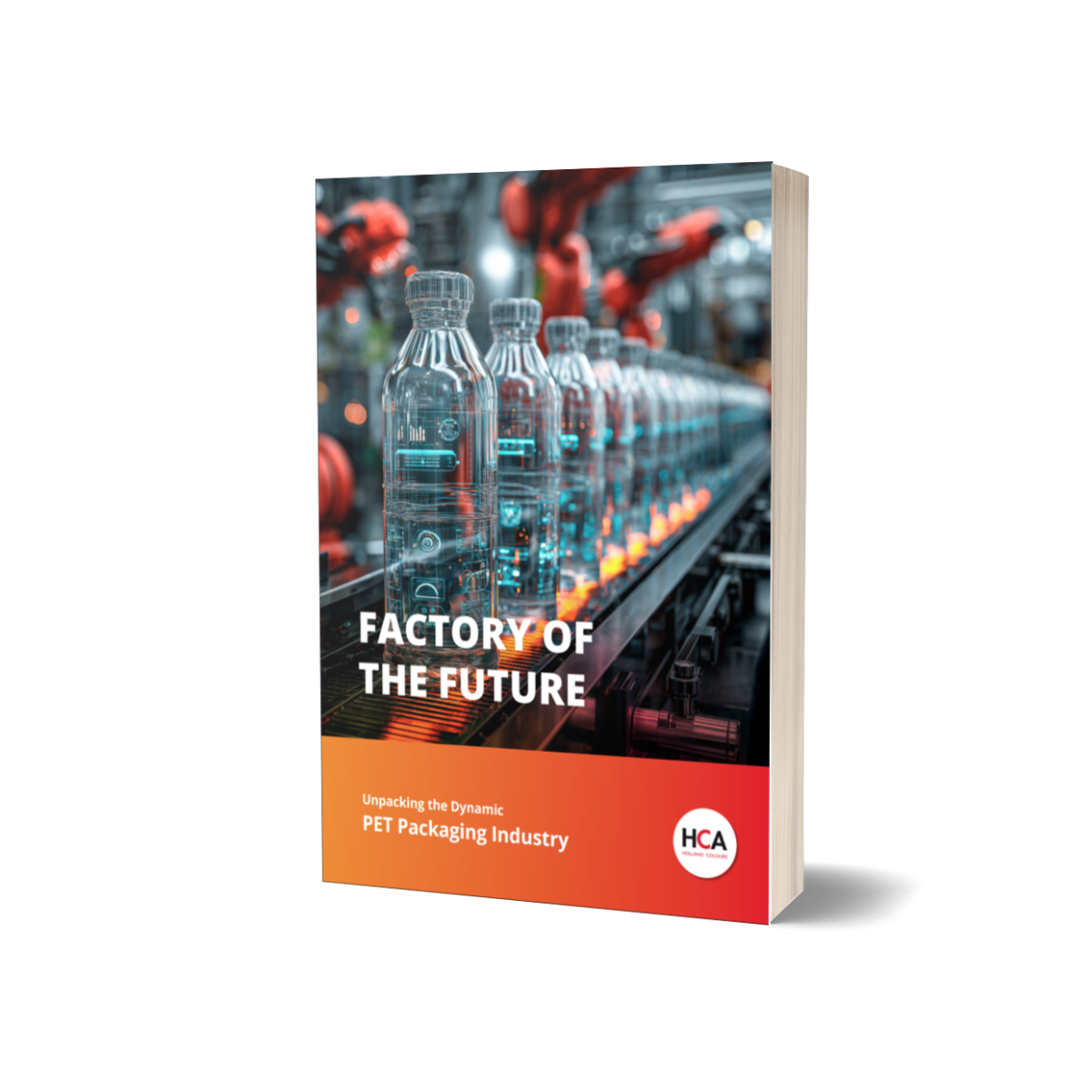
👉 Explore our guide Factory of the Future eBook and discover practical insights to improve sorting, reduce contamination, and optimize your materials today.