Published at Last updated at
Developments Across the PET Value Chain
The global PET packaging landscape is evolving rapidly. Regulatory pressure, consumer expectations and brand commitments to circularity are influencing how packaging is designed, recycled and recovered.
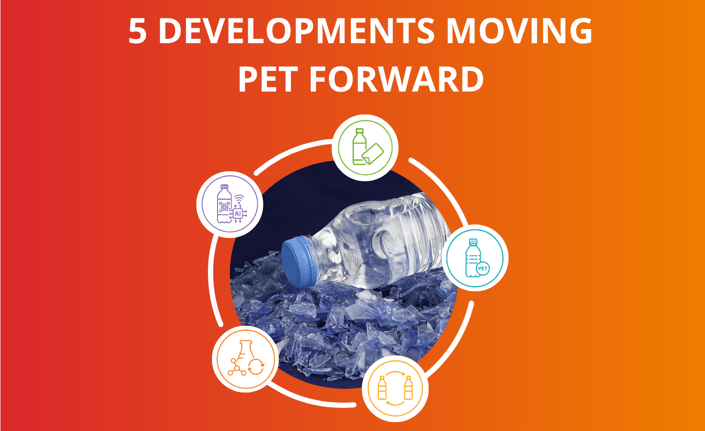
Across regions, the PET value chain is responding through a mix of established changes and emerging technologies. Here are five developments influencing the direction of PET packaging.
1. Simplified Colors and Labels
Recyclability is increasingly shaping packaging design. Clear PET, smaller labels and compatible adhesives can support sorting and closed-loop recycling. Across markets, brands are moving toward transparent bottles, while Japan and South Korea are promoting design-for-recycling approaches that favor clear, colorless PET and simplified packaging structures.
2. Mono-Material PET Bottles
Brands are increasingly moving toward mono-material PET bottle designs, where the bottle body, cap, label and additives are selected with recycling compatibility in mind. Guidelines from EPBP, RecyClass and APR are helping shape decisions around labels, inks, adhesives and closures, while PET-based closures are also being explored to further simplify packaging structures.
3. The Shift Toward Bottle-to-Bottle Recycling
Bottle-grade rPET is becoming a more prominent end use as recycled-content targets and brand commitments increase. In Europe, 48% of rPET was used in bottles in 2022, up from 31% in 2018. Developments in the U.S. and India are also supporting greater use of recycled content in PET packaging.
4. Advanced Chemical Recycling
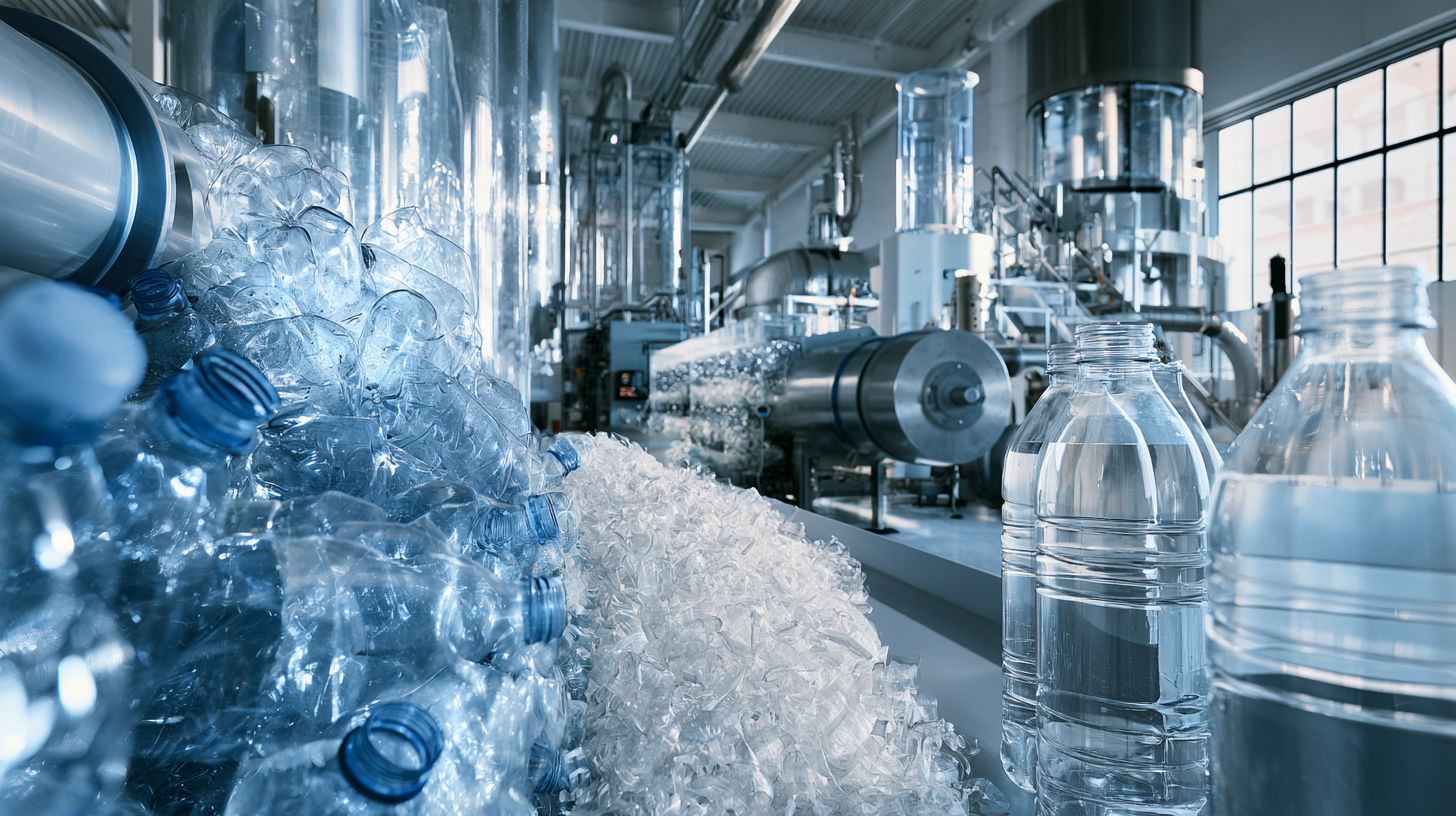
Chemical recycling technologies are gaining attention for their potential to process more complex PET waste, including multilayer, opaque and contaminated packaging. By breaking PET down into reusable components, these technologies could expand the range of acceptable feedstocks and support new food-grade applications. However, they are not yet widely commercialized.
5. Smart Packaging and AI Technologies
Digital technologies are beginning to improve PET sorting and traceability. AI-powered sorting systems can increase throughput and reduce contamination, while QR-enabled packaging can provide recycling instructions or product information and support end-of-life goals.
Designing for a Changing PET Value Chain

Together, these developments show how the PET value chain is evolving in response to changing design requirements, recycled-content targets and advances in recycling technology.
Other developments, including digital watermarking and AI-driven quality control, are still emerging and may further influence how PET packaging is designed, produced and recovered in the years ahead.
For Holland Colours, these changes reinforce the importance of developing colorants and functional additives with both performance and recycling in mind. Working closely with customers, we develop solutions that support recycling while meeting the visual and performance requirements of PET applications.
Ready to explore what’s next?
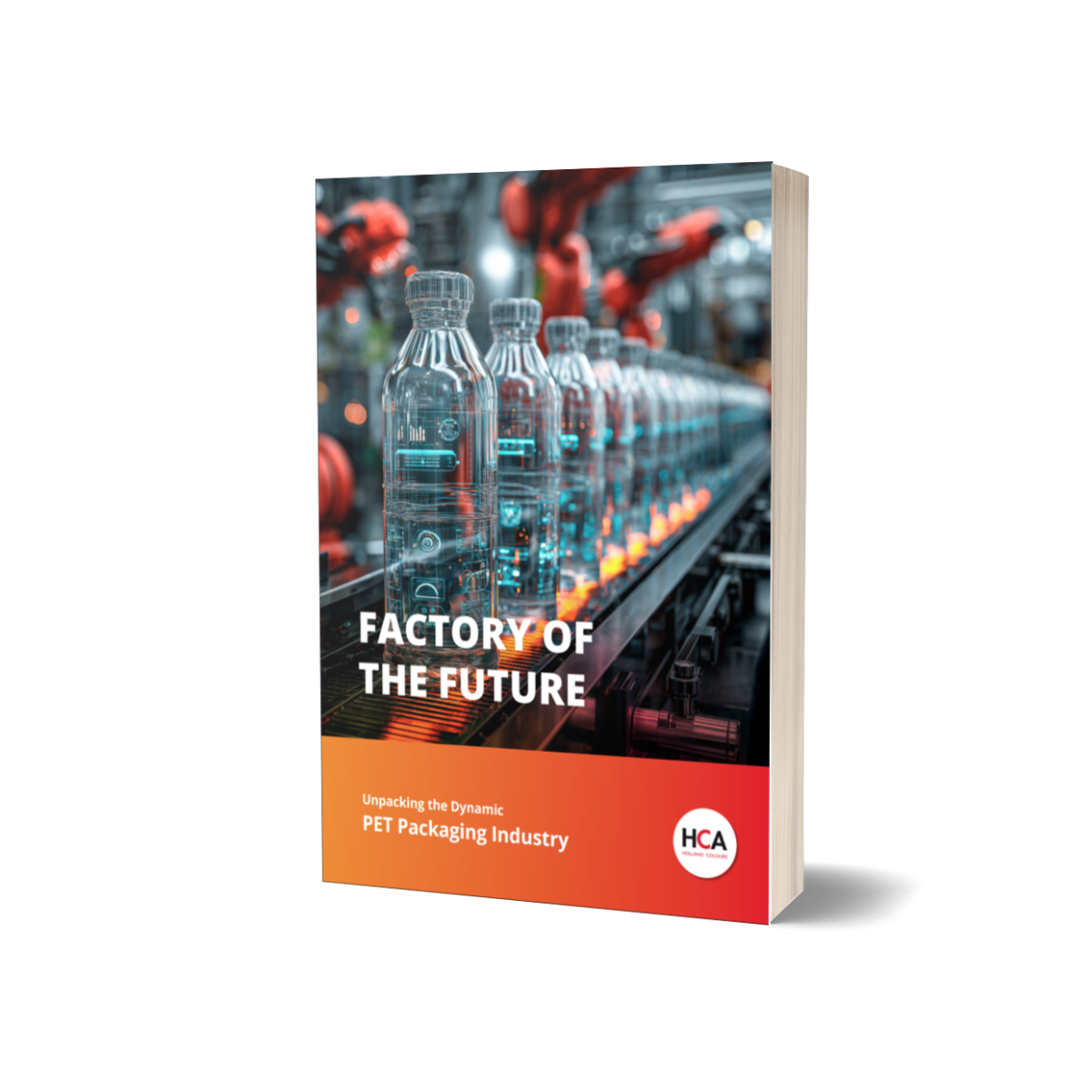
👉 Discover our Factory of the Future eBook for more insights into the developments shaping the future of PET packaging.
.png?width=560&height=360&name=Featured%20image%20size%20(28).png)