
A New Kind of Recycling Revolution
A new wave of digital innovation is reshaping the PET recycling landscape. AI-powered sorting, digital traceability, and data-rich identification systems are changing how PET packaging is collected, sorted, and reused. As recycled content targets rise and feedstock quality becomes more critical, the industry is increasingly relying on smart sorting technologies and data-driven systems to improve efficiency and unlock circular PET packaging at scale.
For recyclers and brand owners, these developments also highlight the growing importance of designing packaging materials—including colors and additives—with the recycling process in mind. Digital systems can only deliver their full value when packaging is compatible with sorting technologies and recycling streams from the outset.
Smarter Sorting, Cleaner Streams
At the heart of PET recycling innovation lies smart sorting technology. Traditional recycling infrastructure can struggle with contamination from labels, incompatible polymers, and residues, leading to downgraded material streams.
Advances in near-infrared (NIR) detection and AI-driven sorting systems are improving the ability to identify PET based on polymer type, color, and contamination level with greater accuracy. Automated sorting and robotics are increasing throughput while reducing contaminants, resulting in cleaner PET streams better suited for high-quality recycling.
However, sorting accuracy does not depend on technology alone. Packaging design—including colorants and additives—plays an important role in ensuring that materials can be properly detected and separated. A well-known example is black plastic, which has traditionally been difficult to identify using NIR sorting systems, causing otherwise recyclable packaging to be diverted from recycling streams.
To address this challenge, NIR-detectable black colorants have been developed that enable automated sorting systems to recognize black PET packaging while maintaining the visual depth and branding benefits of black packaging. At Holland Colours, solutions such as Sort® are designed with this principle in mind, helping ensure that dark-colored PET packaging remains compatible with modern sorting technologies and can stay within the recycling loop.
.png?width=700&height=366&name=Featured%20image%20size%20(16).png)
As sorting technologies continue to evolve, the interaction between packaging materials and detection systems will become even more important. Designing colors and additives that support detectability is increasingly part of designing for recyclability.
Digital Watermarking and Traceability
Beyond physical sorting, digital technologies are reshaping how packaging is identified throughout its lifecycle. QR codes in recycling are increasingly used on PET bottles to provide consumers with recycling instructions and product information, helping align consumer behavior with circular goals. In parallel, digital watermarking packaging solutions are emerging as a powerful tool for high-precision sorting.
Digital watermarks are microscopic, invisible codes embedded into PET packaging that carry information such as material type and recyclability status. These markers allow automated systems to recognize and pre-sort packaging before it enters the recycling line, significantly improving sorting accuracy. When combined with smart sorting technology, digital watermarking enhances both efficiency and reliability in PET recycling operations.
From Data to Circular Design
The true value of recycling traceability systems lies in the data they generate. By linking physical packaging to digital information through QR codes, digital watermarks, and smart data platforms, recyclers and brand owners gain visibility across the entire lifecycle of a PET bottle. This traceability supports Extended Producer Responsibility compliance and enables smarter decision-making across the value chain.
As digital recycling infrastructure matures, traceability is becoming an integral part of packaging design itself. Data-driven insights help improve recyclability, reduce contamination risks, and support circular design strategies that prioritize material recovery from the outset.
At Holland Colours, we see this shift reflected in the way colorants and additives are evaluated today. Performance is no longer measured only in terms of aesthetics or processing, but also in terms of behavior in recycling systems and contribution to consistent rPET quality.

Conclusion
AI-powered sorting, digital traceability, and smarter recycling infrastructure are transforming recycling facilities into more precise and efficient operations. Achieving high-quality circular PET also depends on packaging that is designed with recycling in mind—from polymer selection to colorants and additives.
As the industry moves toward the Factory of the Future, collaboration across the value chain will be essential. Recyclers, brand owners, and material suppliers each play a role in ensuring that PET packaging is not only recyclable in theory, but recoverable, sortable, and reusable in practice.
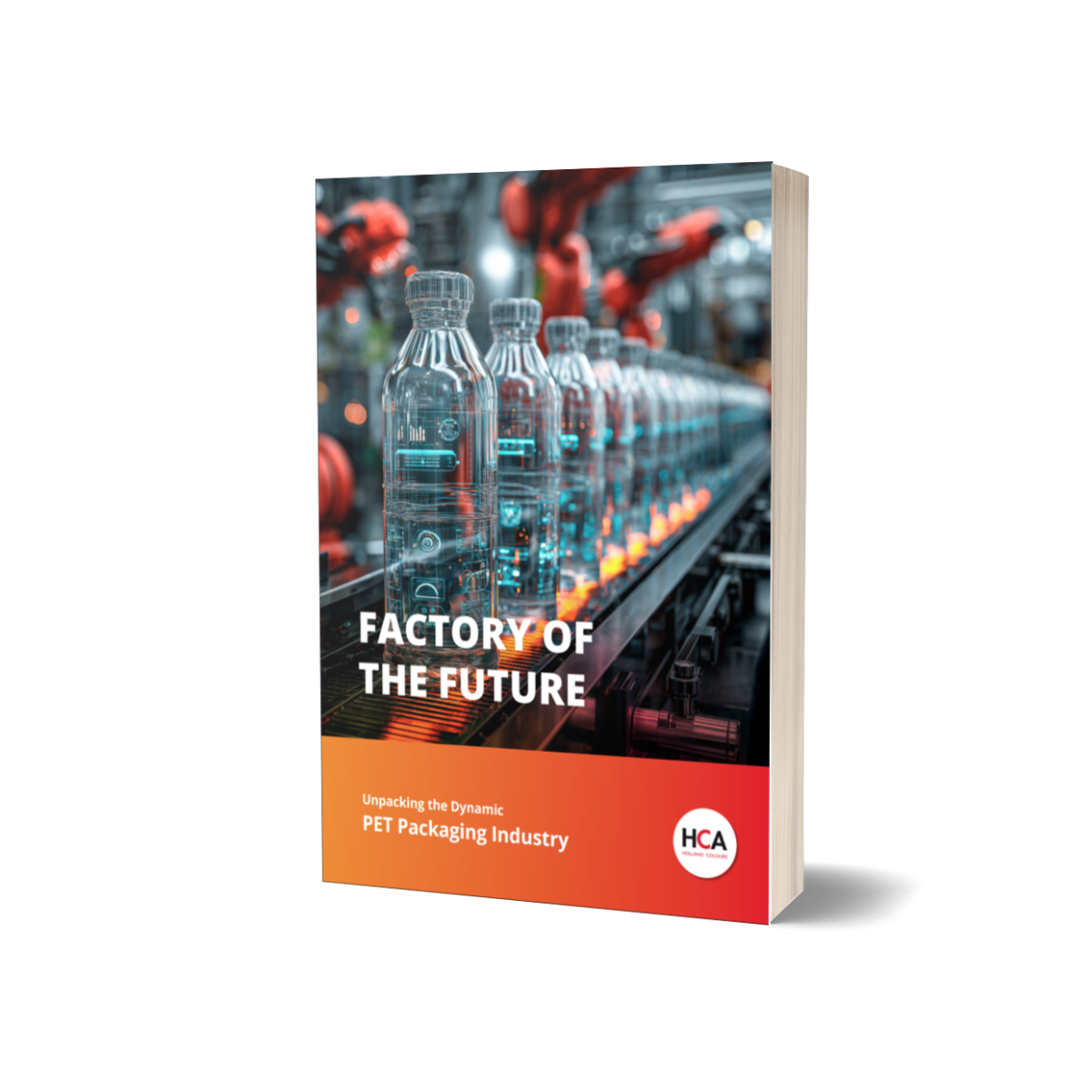
👉 For a broader look at the trends shaping recycling and packaging design, download our Factory of the Future eBook to explore the technologies and strategies driving the next generation of circular PET packaging.
.png?width=560&height=360&name=Featured%20image%20size%20(28).png)