
Packaging, Blog

Staying on Top of Global Packaging Regulations: Latest Updates You Need to Know

Regulations keep rising

The global PET packaging regulatory landscape remains highly fragmented, with each region setting its rPET targets, Extended Producer Responsibility (EPR) feeds, and contaminant screening requirements. As a result, manufacturers need to adhere to the strictest standards, juggle among multiple testing protocols (EU, FDA, GB, etc.), and navigate through the jungle of on-pack labeling and administrative regimes.

To support you in making informed decisions, Holland Colours has consolidated the latest regulatory updates below, guiding you through the most recent updates across EMEIA, the Americas, and Asia‑Pacific.

Featured image size (21)


Updates of regulations in EMEIA, Americas, and Asia

  • Europe:
    • Packaging and Packaging Waste Regulation (PPWR): Requires all packaging to be recyclable by 2030, based on Designed for Recycling principles. Key targets include:
      • 30% recucled content for PET food packaging by 2030
      • 50% recycled content for PET food packaging by 2040
      • 65% recycled content for single-use plastic beverage bottles by 2040
    • Single Use Plastics Directive (SUPD) requires PET beverage bottles to contain at least 30% by 2030
      • Stricter rules targeting fillers in opaque PET in France: Posing 100% penalty on packaging with more than 4% mineral fillers (e.g., TiO2)
  • Middle East:
    • UAE aims to divert 75% waste from landfills by 2030, identifying rPET as a key enabler
  • India:
    • From April 2025, rigid PET bottles are required to contain at least 30% recycled content
  • United States: Packaging in the U.S. is state-driven, with no federal EPR law currently in place
    • By 2032, California’s SB 54 mandates that all single-use packaging must be recyclable or compostable, with 65% of plastic packaging being recycled.
    • Other states like Maine, Oregon, Colorado and Washington have adopted similar EPR frameworks
  • Latin America:
    • Mexico:
      • Mexico passed the General Law of Circular Economy, setting national goals of 30% recycled content by 2030, and requiring companies to prepare circular economy plans.
      • Some states, like Mexico City, have introduced deposit-return systems for PET bottles
  • South America:
    • Colombia and Chile have comprehensive systems mandating producers to register and meet recovery targets
    • Brazil uses a unique reverse logistics certificate scheme tied to environmental credits
    • Venezuela, Peru and Uruguay require producers to manage for finance packaging waste collection, often through collective systems.
  • Japan:
    • A formal EPR framework was established by Containers and Packaging Recycling Law. This requires manufacturers manufacturers and business entities to recycle packaging materials, including PET bottles, as part of their legal obligations.
    • Design for recycling is also promoted through long-standing voluntary industry guidelines, encouraging the use of clear PET, peelable labels and simplified bottle structures. Japan is targeting 90% bottle-to-bottle PET recycling by 2030.
    • In March 2025, Japan requests comments on draft standards for soft drink and other containers. Under this draft, bottles must be colorless, composed solely of PET (or only include additives that are proven hygienic and recyclable) and include at least 15% recycled or biomass content by weight.
  • China:
    • As of September 1, 2023, the updated packaging regulation enforces limits on excessive packaging in food and cosmetic items, including multi-layered or oversized PET container.
    • China’s National Food Safety Law (2021) and associated interim measures establish stringent safety standards for food-contact materials—including PET—mandating compliance with national GB standards. Currently, the use of rPET in food contact applications is not allowed.
    • Anti-dumping measures: To shield EU producers from unfairly low-priced imports, the European Commission imposed anti-dumping duties of 6.6 – 24.2 % on PET imports from China for a fiveyear term since 2024.
  • Southeast Asia:
    • Indonesia banned plastic waste imports starting January 2025 and is expanding EPR pilots to shift responsibility for packaging waste to producers. PET packaging used for food, beverages, or cosmetics must be halal-compliant, free from haram or impure substances, as part of mandatory halal certification requirements for consumer products.
    • Vietnam’s EPR system, under Decree 08/2022, requires companies to either recycle their PET packaging or contribute financially to a national fund.
    • In the Philippines, the EPR Act (RA 11898) sets progressive targets, starting at 20% of recovered plastic packaging in 2023 and rising to 80% by 2028.


Conclusion

While Europe is taking the lead in pushing recycled content standards and recyclability, regions like the U.S. and Asia-Pacific are seeing more fragmented or evolving regulations. Countries in Latin America and India are making strides, but consistent enforcement and policy implementation remain ongoing challenges.

For companies operating globally, navigating this patchwork of policies requires both agility and local expertise. Understanding regulatory nuances and adapting strategies to each region will be essential. Not only for compliance, but also for aligning with broader sustainability goals as global momentum toward circular packaging continues to build.

Do you want to discover how to navigate this landscape?

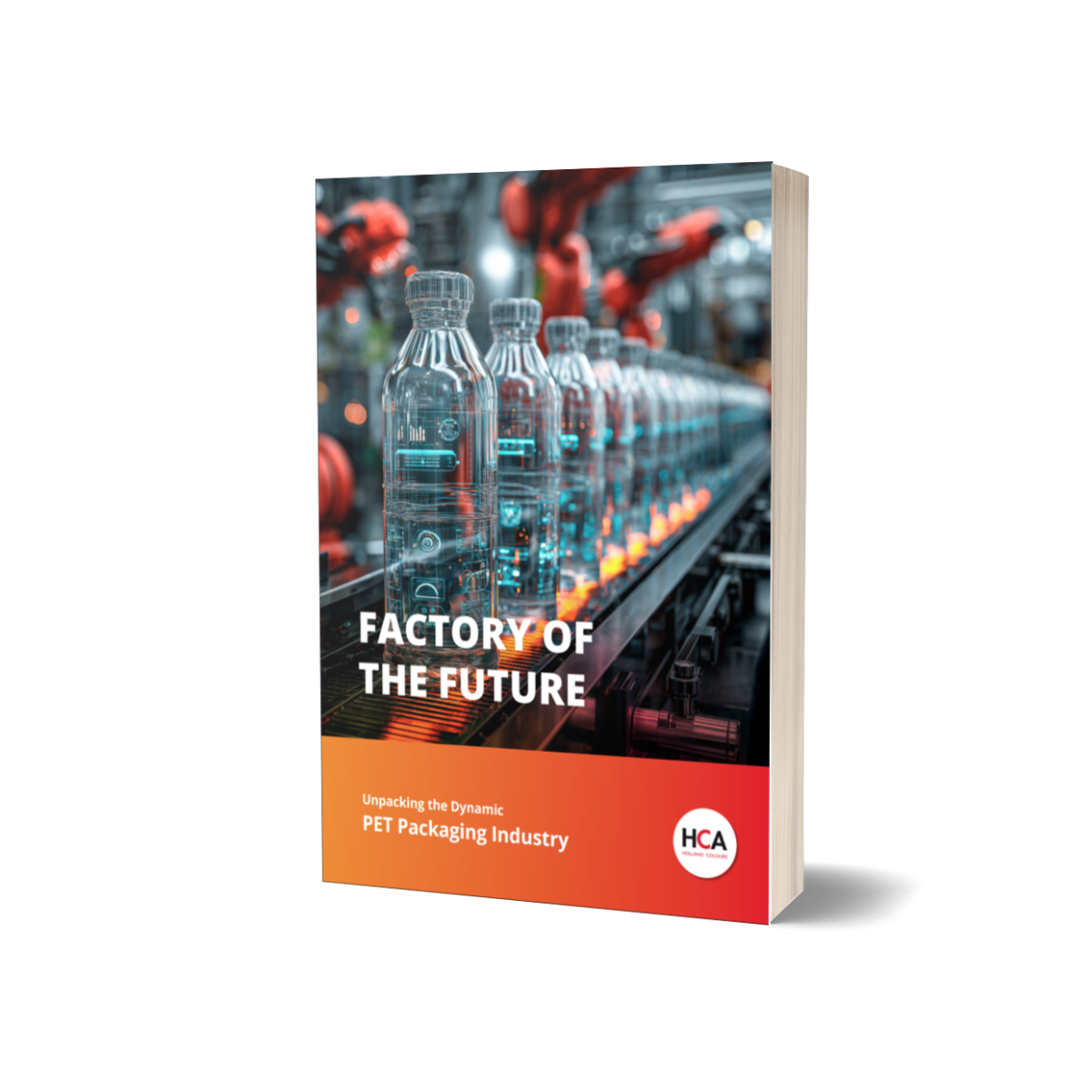
📦 Download our Factory of the Future eBook now and explore your way to the future of PET packaging today.